 GreyMuzzle
Signs Your Dog Is Entering Its Senior Years (What I Wish I'd Noticed Sooner)
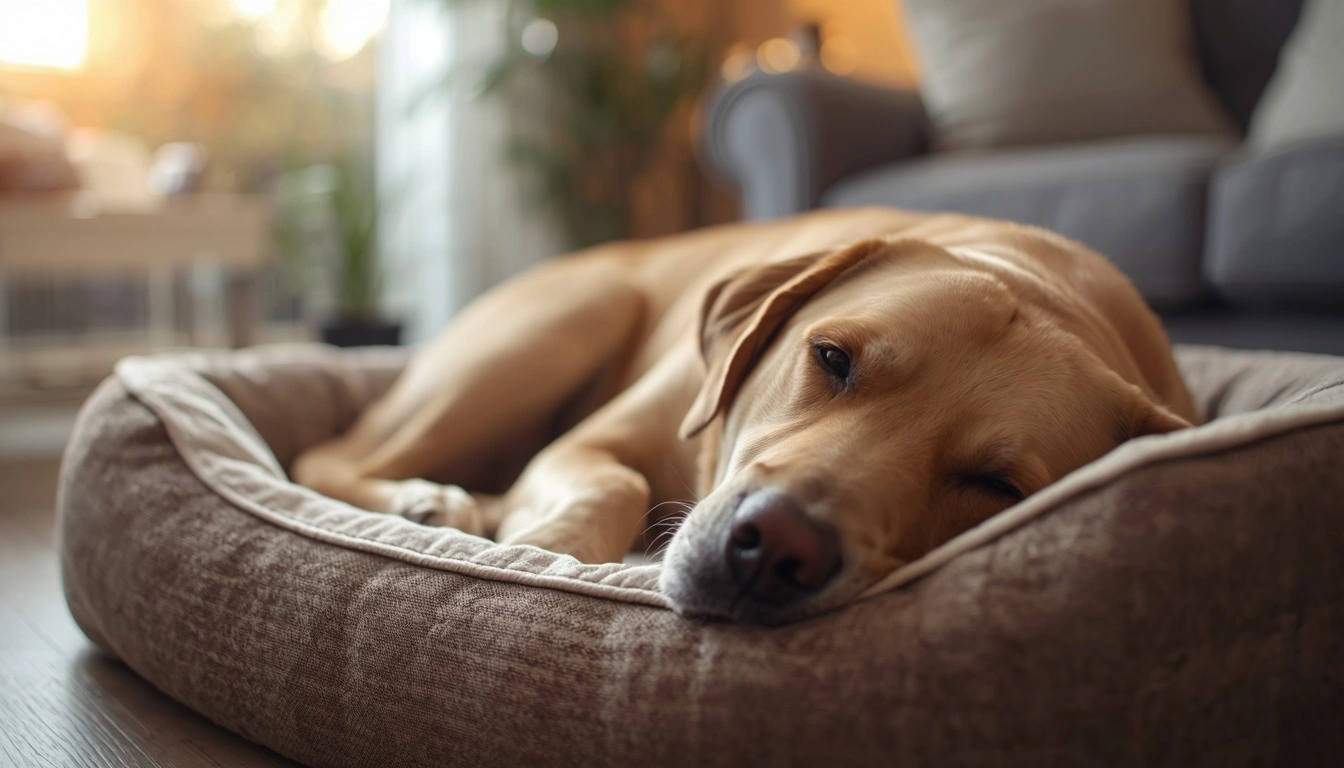
My dog used to sprint to the door for the mailman. Then one day he just... watched. That's when I realized he was becoming a senior — and I'd missed the signs for months. Here's what actually changes as your dog ages, the mistakes I made, and the simple steps that helped.
My dog Rusty is a Lab mix, and for years he was the kind of dog who greeted the mailman like it was the best day of his life. Every single day. Then one afternoon, about two years ago, I noticed he just... watched the mailman walk by. No bark. No tail wag sprint to the window. He just lifted his head, sighed, and went back to sleep.
I remember thinking, "huh, weird," and moving on with my day. I didn't connect the dots until a few months later when he started struggling to jump into the car. That's when it hit me — my dog was getting old, and I'd basically missed the memo.
If you've got a dog who's somewhere between 6 and 10 years old (depending on breed and size), this is for you. Because the signs of aging in dogs don't usually show up as one big dramatic moment. They creep in slowly, and most of us explain them away until they're impossible to ignore.
Here's everything I learned the hard way, plus what actually helped once I figured out what was going on.
Why This Sneaks Up On So Many of Us
Dogs are ridiculously good at hiding discomfort. It's an instinct thing — in the wild, showing weakness makes you a target. So instead of dramatic symptoms, you get subtle shifts. A little more sleeping. A little less enthusiasm. Slightly stiffer mornings.
None of it screams "senior dog" on its own. It's only when you look back over months that the pattern becomes obvious.
Also, "senior" hits different dogs at different ages. A Great Dane might be considered a senior at 6. A Chihuahua might not hit that stage until 10 or 11. Bigger dogs age faster, which honestly feels unfair, but that's how it goes.
The Signs I Actually Noticed (In Order)
1. The Enthusiasm Dial Turns Down
This was Rusty's first tell. Not lethargy exactly — he'd still get up and greet me — but the intensity dropped. Things that used to trigger full-body excitement (the leash, the treat jar, the doorbell) started getting a calmer response.
If your dog still does everything they used to, just... a notch quieter, that's often the earliest sign. It's easy to miss because it doesn't look like a problem. It just looks like your dog is "chill now."
2. Stiffness After Resting
You'll see this most in the morning or after a nap. Your dog gets up and there's a hesitation, maybe a little wobble, before they find their normal gait. Rusty started doing this weird thing where he'd stretch way longer than usual before actually standing.
This is usually joint-related. Early arthritis is incredibly common in aging dogs, even ones that seem otherwise fine.
3. Gray Hair, Especially Around the Muzzle
This one's the most "textbook" sign, and it's true — dogs do go gray, usually starting around the muzzle and eyebrows first. It's harmless on its own, but it's a helpful visual marker that your dog has crossed into a new phase.
4. Changes in Sleep Patterns
Senior dogs sleep more overall, but the quality of that sleep can shift too. I noticed Rusty started sleeping in weirder positions and would sometimes wake up disoriented for a few seconds, like he forgot where he was. Vets call this normal aging in mild cases, but if it's extreme or paired with pacing at night, it's worth mentioning to your vet — it can sometimes point to canine cognitive dysfunction (basically, doggy dementia).
5. Slower on Walks, or Wanting Shorter Ones
This is a big one that a lot of owners misread as laziness. Your dog isn't being lazy. Their joints, lungs, or heart might just not have the same stamina anymore.
I used to get a little annoyed when Rusty would plant himself halfway through our usual route and just... stop. Looking back, that wasn't stubbornness. That was him telling me the walk was too long now.
6. Cloudy Eyes
Around age 8, I noticed a slight blue-gray haze in Rusty's eyes, especially in certain lighting. This is often something called nuclear sclerosis, which is a normal aging change and different from cataracts (though a vet visit helps rule that out). It doesn't usually affect vision much, but it's another visible marker of aging.
7. Dental Changes
Bad breath isn't just bad breath in an older dog — it can signal dental disease, which becomes more common with age. I got lazy about brushing Rusty's teeth for a while (guilty), and by the time I noticed the smell, he already had some tartar buildup that needed a professional cleaning.
8. Weight Changes (Either Direction)
Some senior dogs gain weight because they're less active but eating the same amount. Others lose weight because of muscle loss or underlying health issues. Either direction is worth tracking. I started weighing Rusty every couple months just using a regular bathroom scale (weigh yourself holding him, then subtract your own weight — old trick, works fine for dogs under 50 lbs or so).
9. Accidents or Changes in Bathroom Habits
This one's uncomfortable to talk about, but it matters. If a previously house-trained dog starts having accidents, it's not "bad behavior." It could be joint pain making it harder to signal or get outside in time, weakening bladder control, or something medical that needs checking.
What I Actually Did About It (Step by Step)
Once I put the pieces together, here's the approach that worked for us:
Step 1: Vet visit, no waiting around. I booked a senior wellness check. Most vets recommend these every 6 months once a dog hits senior age, versus once a year for younger dogs. Blood work caught a mild thyroid issue we didn't know about.
Step 2: Switched to a senior-formula food. Our vet recommended something with lower calories but higher fiber and joint-support ingredients (glucosamine, chondroitin). We use Hill's Science Diet Senior, though there are several solid options — Purina Pro Plan and Royal Canin both make senior lines too. Ask your vet what fits your dog's specific needs rather than just grabbing whatever bag says "senior" on it.
Step 3: Adjusted exercise instead of cutting it. Shorter, more frequent walks instead of one long one. Rusty gets two 15-minute walks now instead of one 40-minute one, and he's noticeably happier for it.
Step 4: Added joint supplements. We started him on a glucosamine-chondroitin chew (we use Cosequin, but there are several reputable brands). It's not an overnight fix, but over a few weeks I noticed less morning stiffness.
Step 5: Made the house easier on his joints. Got a ramp for the car instead of expecting him to jump. Added a orthopedic dog bed (the memory foam kind) instead of his old flat cushion. Small stuff, but it adds up.
Step 6: Started tracking changes. I use a simple notes app on my phone to jot down anything odd — appetite changes, energy levels, new lumps or bumps. It sounds excessive, but having a timeline made our vet visits way more useful. Instead of "he seems off," I could say "he's been drinking more water for about two weeks."
Mistakes I Made (So You Don't Have To)
I assumed the slower walks were just him being stubborn for way too long. Lost a few months where a vet could've caught the arthritis earlier.
I didn't take the gray muzzle seriously as a signal to start being more observant. I treated it like a cosmetic thing instead of a milestone marker.
I kept using his old high-calorie puppy-era treats, which didn't help when he started putting on a bit of weight from being less active.
I waited too long on the dental cleaning, which ended up being a bigger (and pricier) procedure than it would've been if I'd caught it earlier.
A Quick Reality Check
None of these signs mean something is "wrong" with your dog. Aging isn't a disease. It's just a phase, the same way puppyhood was a phase. The goal isn't to panic over every gray hair — it's to start paying closer attention so you can catch actual problems early and keep your dog comfortable for as long as possible.
Rusty's almost 11 now. He's slower, grayer, and definitely pickier about how long his walks are. But he still does his little happy spin when I grab the leash, just a slightly smaller version of it. And honestly? That's enough.
If your dog is showing a few of these signs, it doesn't mean you're behind or doing anything wrong. It just means it's time to start watching a little closer and maybe book that vet visit you've been putting off. Your dog will thank you, in their own quiet, gray-muzzled way.